
Anxiety Therapist in McCandless and Pittsburgh, PA Mind Hasn't Stopped
And you're tired of pretending that's fine.
You’re functioning. Getting through your days. Showing up for the people who need you.
But underneath that, your mind is running constantly. Replaying conversations. Anticipating the next thing that could go wrong. Bracing for something you can’t even name.
Anxiety doesn’t always look like panic. Sometimes it looks like being the person who has it together while quietly dreading everything.
At MK Counseling Services, our anxiety therapists work with children, teens, and adults in McCandless, the North Hills, and across Pittsburgh. If you are tired of managing anxiety alone, you can change your relationship with it.
What Anxiety Actually Looks Like
You Might Recognize This
Anxiety shows up differently for different people. For some it’s loud: panic attacks, racing heart, a dread that arrives without warning. For others it’s quieter and harder to name.
You might be dealing with:
- Racing thoughts that won't slow down, especially at night
- Physical tension: a tightness in your chest, your shoulders, your stomach that never fully goes away
- Avoidance: skipping situations, events, or decisions because the anticipation feels unbearable
- Perfectionism: setting standards so high that nothing ever feels finished or good enough
- People-pleasing: saying yes when you mean no, then resenting it
- Panic attacks: sudden waves of fear, breathlessness, or a sense that something is seriously wrong
- Social anxiety: dreading interactions, overcorrecting in conversations, withdrawing to avoid judgment
Anxiety doesn’t mean something is wrong with you. It means your nervous system has been working overtime and it needs support.
Panic Attacks and Social Anxiety
Panic attacks can feel like a medical emergency. Your heart pounds and your breath shortens, and a sense of danger arrives with nothing around you to explain it. Many people start avoiding the places where it happened, and their world gets smaller.
Social anxiety works in a similar way. You replay what you said, read every face for signs of judgment, and skip invitations to avoid the feeling. Both respond well to therapy. CBT shows you what drives the panic or the fear of judgment, and gradual practice at your own pace helps your body learn the situation is safe.
If either one sounds familiar, mention it when you request an appointment and we will match you with a counselor who works with it.

How Anxiety Affects Daily Life
What Stays the Same When Anxiety Goes Untreated
Anxiety isn’t just an uncomfortable feeling. Over time, it changes the way you live. It affects your sleep, making it hard to switch off, fall asleep, or stay asleep without your mind pulling you back in.
It affects your relationships, keeping you guarded, hypervigilant, or so focused on managing yourself that real connection takes a back seat. It affects your decisions, making even small choices feel loaded, second-guessing yourself long after it matters.
It affects your work. Perfectionism, procrastination, and avoidance all feed directly from the same source. The longer anxiety runs the show, the smaller your world gets. Therapy changes that.
How We Treat Anxiety
Our Approach to Anxiety Therapy
MK Counseling’s approach to anxiety is practical and evidence-based. We don’t just help you talk about it. We help you build real tools to change your relationship with it. Across our team, we draw from:
Cognitive Behavioral Therapy (CBT)
CBT identifies the thought patterns driving your anxiety and helps you replace them with ones that actually serve you. It's structured, skills-based, and one of the most research-supported approaches for anxiety available.
Exposure and Response Prevention (ERP)
For clients dealing with OCD or OCD-linked anxiety, ERP is the gold standard treatment. It helps you face the thoughts and situations that trigger anxiety, gradually and at your pace, without the compulsive responses that keep the cycle going.
You can read more on our OCD therapy.
Dialectical Behavior Therapy (DBT)
DBT builds skills for emotional regulation, distress tolerance, and interpersonal effectiveness. Particularly useful when anxiety shows up in relationships or alongside intense emotional responses.
Mindfulness
Mindfulness helps you notice what anxiety is doing without being pulled under by it. Used alongside CBT and other approaches, it builds the present-moment awareness that anxiety works hardest to steal.
Who Treats Anxiety at MK Counseling Services.
Find the Right Fit for Your Anxiety
The right therapist makes a real difference. Our team brings together four counselors with different styles, specialties, and backgrounds, so there’s always someone right for what you’re facing.

Diana Simpson, LPC
works with high-achieving teens and young adults dealing with anxiety, OCD, and perfectionism. If you're the one who always looks fine on the outside but is exhausted on the inside, Diana works with exactly that. Telehealth only.
Meet Diana Simpson

Chris Koska, LPC
works with teens, adults, and seniors navigating anxiety alongside depression, grief, or life transitions. His approach is direct, engaged, and grounded in real skills. In-person and telehealth.
Meet Chris Koska

Maddy Clines, MA
works with children, teens, and adults dealing with anxiety at every age. For younger children, she uses play therapy to make the process feel natural and age-appropriate. In-person and telehealth.
Meet Maddy Clines

Emme Biggin, MA, LAPC
works with children from age 4, teens, and young adults, including student-athletes and performers facing performance anxiety and perfectionism. In-person and telehealth.
Meet Emme Biggin
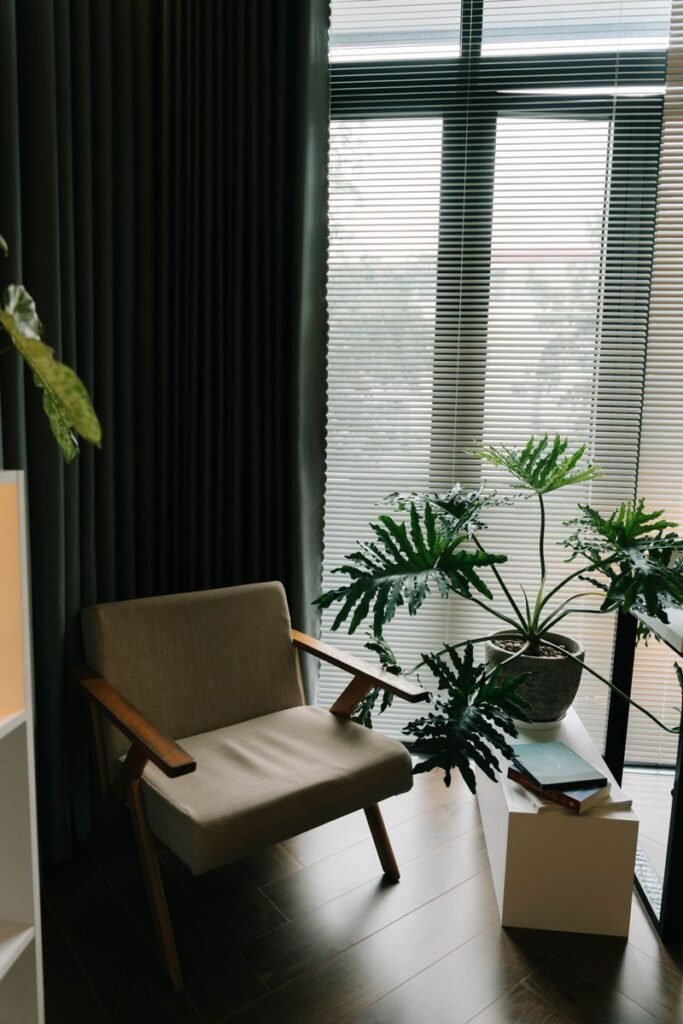
What Anxiety Therapy Looks Like at MK Counseling Services.
Your first session isn’t about having everything figured out. It’s a conversation about what’s been going on, what you’ve tried before, and what you’re hoping for.
From there, sessions are built around what you’re dealing with and what approach fits best. If CBT is the right tool, your therapist will explain how it works before you begin. If ERP is on the table, nothing happens without your understanding and consent.
Most anxiety clients start noticing real shifts within 6 to 10 sessions. Some sooner, some later. The goal isn’t speed. It’s change that actually holds.
Sessions are available in person at our North Hills office at 135 Cumberland Rd, close to McCandless, and through telehealth across Pennsylvania. We accept Aetna, BC/BS, Cigna, United/Optum, and UPMC. Benefits vary by plan, so check your coverage before your first session.
Anxiety Therapy Is a Good Fit If!
- You've been managing it on your own and it's not getting better
- You want practical tools, not just someone to talk to
- Anxiety has been affecting your daily life: sleep, relationships, work, or decisions
- You're ready to do something different, even if you're not sure what that looks like yet
Anxiety is one of the most treatable mental health concerns there is. You don’t have to keep white-knuckling it.
Anxiety during pregnancy or after birth has its own support. See our perinatal and postpartum therapy page.
Ready to Stop Running on Anxious?
You’ve been managing this long enough. There are real tools and real therapists that can help you change your relationship with anxiety, not just survive it. Fill out the appointment request form and tell us a little about what you’re dealing with. We’ll match you with the right counselor and take it from there.
Questions About Anxiety Therapy
How do I know if I need an anxiety therapist?
If worry, tension, or avoidance has started to affect your sleep, relationships, work, or decisions, therapy can help. You do not need a diagnosis or a crisis to ask for support.
What does anxiety therapy involve?
Your first session is a conversation about what you are dealing with and what you hope will change. From there, your therapist builds sessions around the approach that fits, such as CBT, ERP, DBT skills, or mindfulness, and explains it before you begin.
Do you take insurance for anxiety therapy?
Yes. We accept Aetna, BC/BS, Cigna, United/Optum, and UPMC. Benefits vary by plan, so check your coverage before your first session.
Can I see an anxiety therapist online in Pennsylvania?
Yes. All four of our anxiety therapists offer telehealth to clients in Pennsylvania. You need to be physically in Pennsylvania during your session.
Do you treat children and teens with anxiety?
Yes. Maddy Clines works with children, teens, and adults, and uses play therapy with younger children. Diana, Chris, and Emme also see teens, and Emme sees children from age 4.
Read more on our child and teen therapy page.
Do you offer anxiety therapy near McCandless?
Yes. Our office is in the North Hills at 135 Cumberland Rd, close to McCandless. Clients in Shadyside, Robinson, and the South Side can also meet with us by telehealth.